Brazil's 2026 General Election: Update

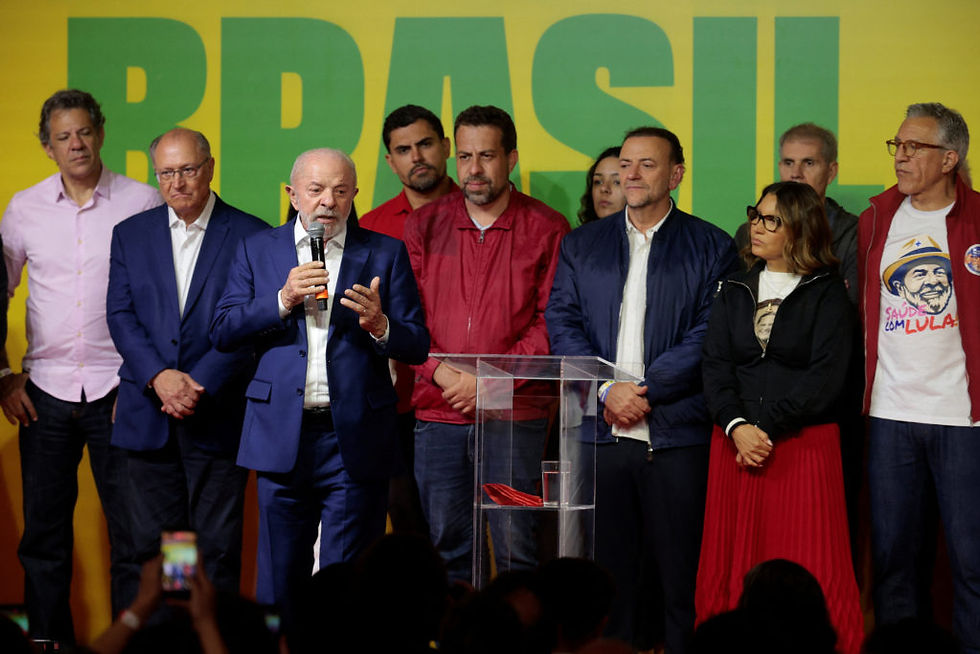
Following our preliminary election forecast published prior to the voting, Brazil concluded their 2026 general election. In a dramatic second round runoff election held on October 25, incumbent President Luiz Inacio Lula da Silva secured reelection to a fourth non-consecutive term. Lula narrowly defeated conservative challenger Senator Flavio Bolsonaro, son of former President Jair Bolsonaro.
The second-round contest characterized by tight polling, high voter engagement, and intense political campaigning from both coalitions. AP News reports President Lula, the veteran union leader who first governed Brazil between 2003 and 2010, faced a rigorous reelection battle fueled by public anxiety over cost of living and regional security. Meanwhile, Flavio Bolsonaro anchored his challenge on a rigid tough-on-crime platform and promised to alleviate economic strain from working families. The final phase of the campaign saw both candidates aggressively courting undecided voters across urban and rural communities.
The immediate effects of the runoff were marked by significant operational and logistical developments on election day itself. Reports highlighted widespread transportation delays, adverse weather in key voting hubs, and localized legal petitions from both campaigns to extend voting hours. Despite these administrative hurdles, Brazil's electronic voting architecture processed tens of millions of ballots rapidly following the closing of polls, allowing election authorities to declare official election results on Sunday evening.
An Overview of Election Figures
The presidential runoff delivered a decisive, highly competitive victory for the incumbent president over his conservative challenger. President Lula secured approximately 51.5% to 51.8% of the popular vote. Senator Flavio Bolsonaro earned approximately 48.2% of the vote. In raw vote counts, President Lula expanded his margin in the second round, outpacing his opponent by nearly 4.4 million votes.
Lula's victory marks a significant political turnaround from the first-round presidential contest held on October 4. 2026. In that initial round, Bolsonaro led the multi-candidate field with 47% of the total vote, compared to Lula's 45%, establishing a gap of nearly 2.2 million votes. However, since neither candidate crossed the 50% majority threshold required for an automatic victory, the two finishers advanced to the October 25 runoff. Over the subsequent 3 weeks, President Lula successfully consolidated support among voters who had initially cast ballots for third party candidates.
The parliamentary results from the first round of voting reflect a fragmented and conservative-leaning National Congress. In the Chamber of Deputies, the conservative Liberal Party maintained a strong presence, securing many seats alongside allied right-wing and centrist federations. Similarly, in the Federal Senate, conservative and center-right parties captured a substantial share of the seats for election created opposition presence.
Campaign Commitments
Throughout the 2026 election cycle, both candidates presented distant policy platforms addressing economic management, social welfare, criminal justice, and international relations.
Lula's Campaign
In the closing weeks of the campaign, President Lula introduces key economic measures, including a debt relief program, intended to assist lower households and small businesses. Lula's campaign emphasized public investment in infrastructure, the expansion of social protection programs, and progressive tax policies aimed at lifting household purchasing power. Environmentally, Lula reaffirmed his commitment to combating deforestation in the Amazon and promoting sustainable agricultural practices. His administration stressed the importance of multilateral diplomacy maintaining balanced relations with major international trade partners.
Bolsonaro's Campaign
Conversely, Senator Flavio Bolsonaro constructed his platform around market deregulation, fiscal discipline, and a strict law-and-order framework. Bolsonaro's economic proposals included reducing regulatory burdens on industrial sectors, lowering corporate tax burdens, and encouraging private investments to stimulate job creation. To address public safety, Bolsonaro pledged to strengthen law enforcement capacities, toughen penalties for violent crimes, and streamline legal protections for police officers working in high crime districts.
Governance Outlook
As president Lula prepares for his fourth term, his administration will navigate a complex legislative landscape defined by a divided National Congress. Conservative and center-right parties control a significant number of seats in both the Chamber of Deputies and the Federal Senate; the government will need to build pragmatic cross-party coalitions to advance major legislation.
The primary challenge presented to the reelected administration is balancing fiscal responsibility with the execution of promised social welfare initiatives. Addressing persistent inflation, managing public debt, and fostering sustainable economic growth will require diplomatic negotiations.
Sources:
AP News. 2026. Lula is declared winner of Brazil's election as Bolsonaro rejects results" October 26. Link
BBC. 2026. "World leaders congradulate Lula after Brazil election win as rival Flavio Bolsonaro refuses to concede" October 24. Link
New York Times. 2026. "Lula Wins Re-election as Bolsonaro Rejects Results" October 25. Link
Reuters. 2026. "Brazil election: Lula wins runoff vote but Bolsonaro rejects results - as it happens" October 26. Link